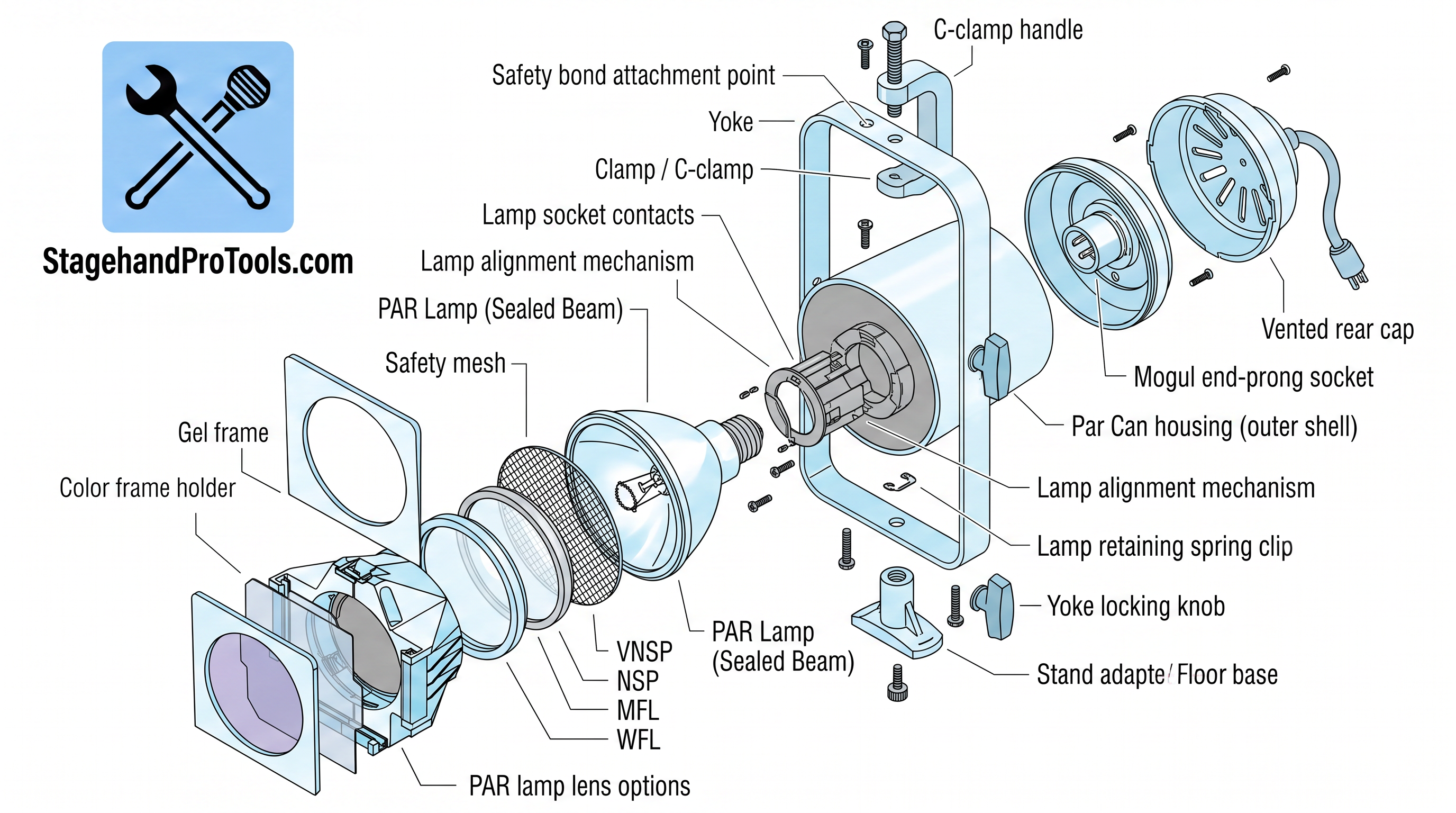
Par Can Anatomy Infographic
Exploded view of a par can lighting fixture.
Tips, guides, and industry insights for AV and stagehand professionals.
Exploded view of a par can lighting fixture.
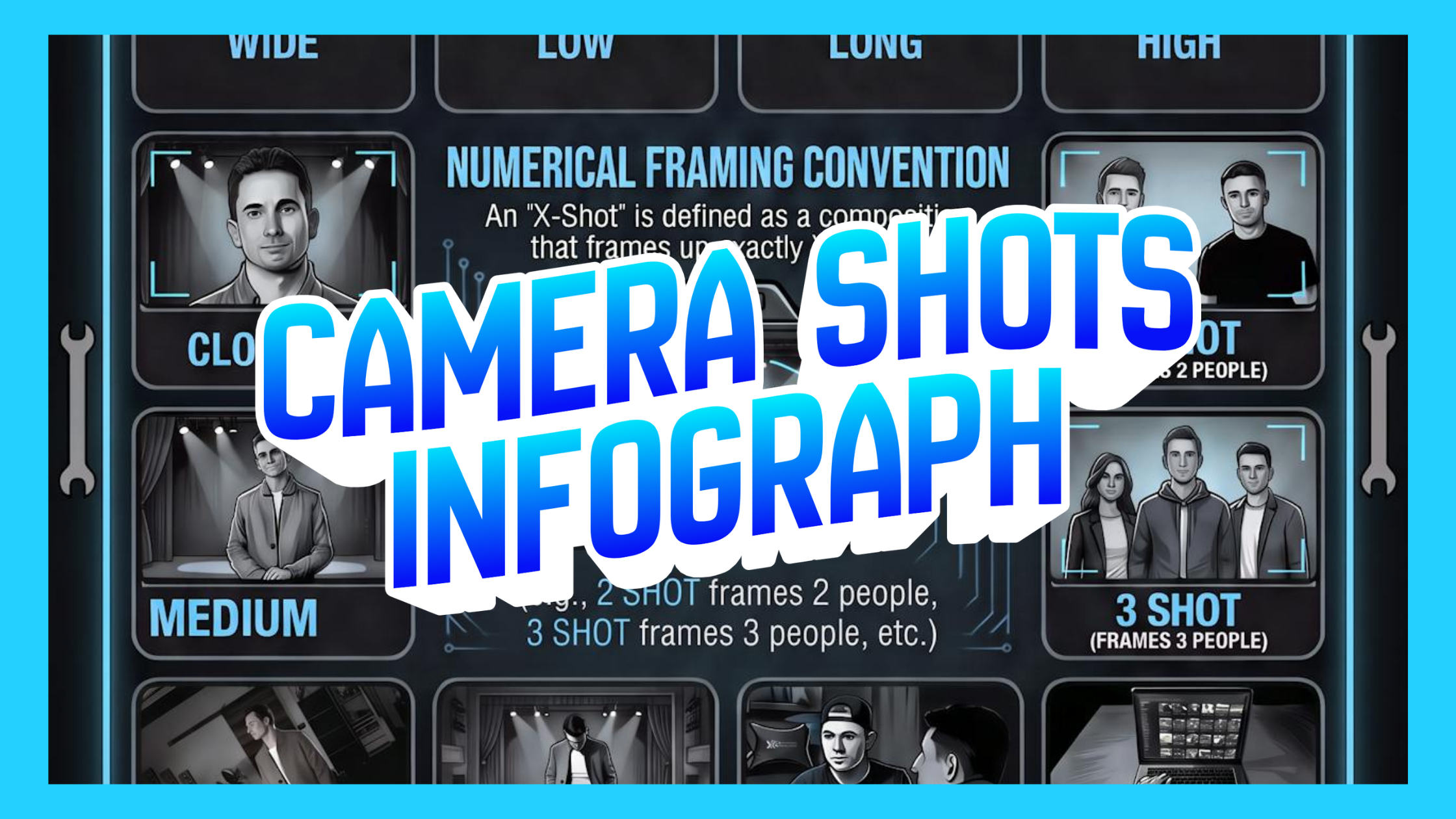
The terminology you need to know if you want to learn camera Illustrated into an infographic.

If there is one truth in the live event industry, it’s this: The phone is either ringing off the hook, or it is deadly silent. The feast-or-famine cycle is real. While we can’t control the economy or the tour schedules, we can control how many production companies have our number saved in their favorites list.

These 5 Instagram accounts produce the best stagehand related content.

If you've ever been to a concert, conference, or wedding and wondered who makes the magic happen behind the scenes, the answer is often a stagehand.

Budget-friendly gear that punches above its price tag — five Temu finds worth throwing in your stagehand bag.

In a relationship-driven industry, your reputation travels faster than your resume. Here's how to build one that keeps your phone ringing with good calls.

From DMX cable to fixture types to the basics of a lighting plot, here's what crew members need to know when they step onto a lit stage for the first time.

Freelance stagehand income comes from multiple sources and tax forms you might not be familiar with. Here's how to track your money, understand your taxes, and set yourself up financially.

You don't need to be an A1 to understand the basics of audio signal flow. Knowing how sound travels from mic to speaker makes you a faster, smarter crew member.

If you're working 1099 gigs, the IRS expects tax payments four times a year — not just in April. Here's how to calculate, set aside, and pay your quarterly estimated taxes without the scramble.

Walking into your first load-in can feel overwhelming. Here's exactly what to bring, what to expect, and how to make a great first impression.